What is a CNC press brake machine?
Precision, efficiency, and automation are essential in today’s manufacturing scenario for generating high-quality products. The CNC press brake machine is one of the machines that reflects these ideas. Understanding what a CNC press brake is and how it performs is important if you work in metalworking, fabrication, or any other field that demands precise metal bending.
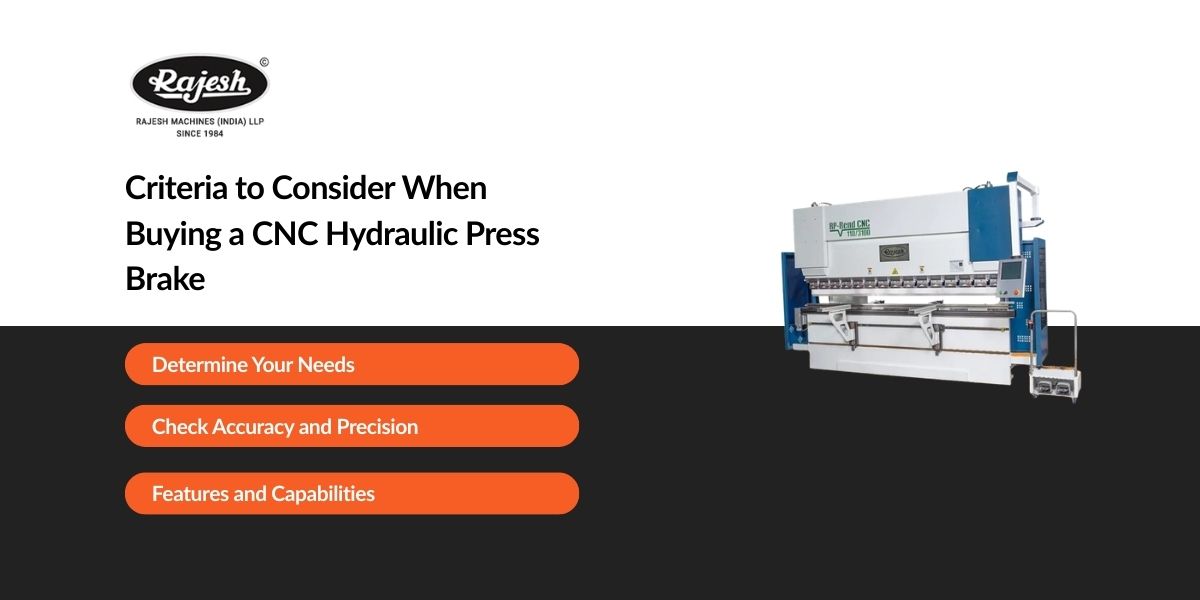
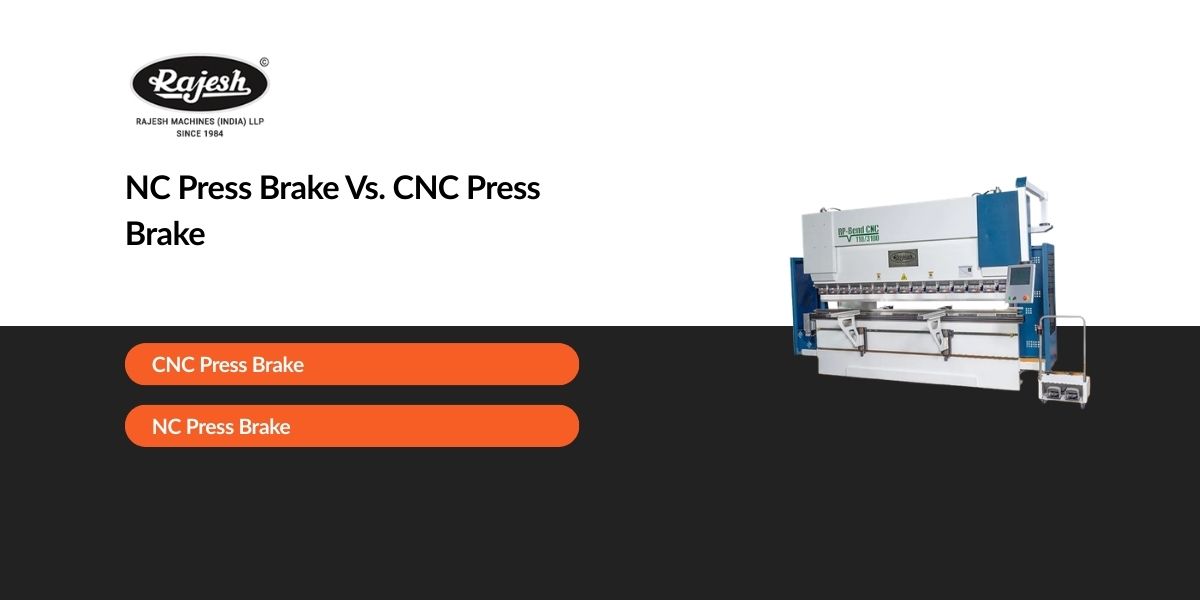
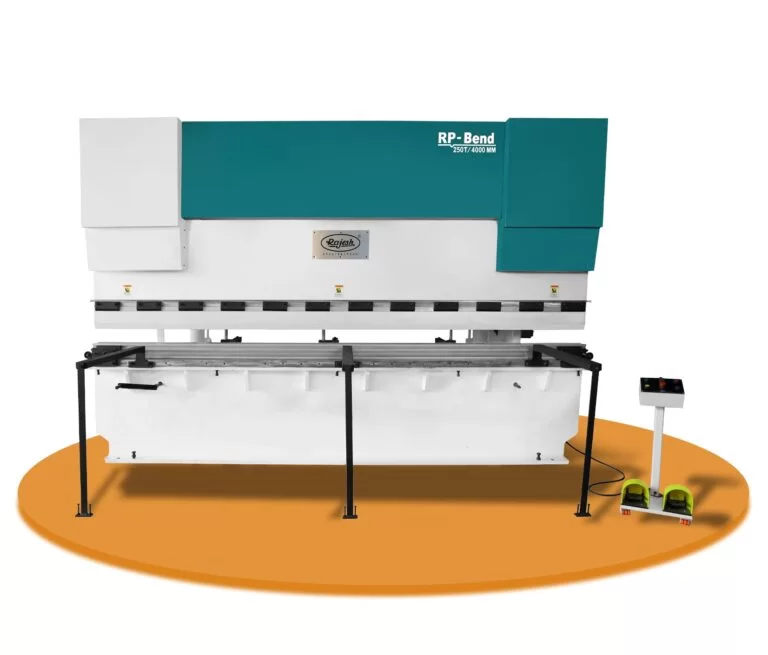
A CNC (Computer Numerical Control) press brake is a manufacturing machine that bends sheet metal. The metal is clamped between a matched punch and die, and then shaped into a specified angle or shape. Unlike traditional press brakes, which require manual adjustments and operation, CNC press brakes are automated, using computer-controlled systems to perform exact motions and bends.
How Does a CNC Press Brake Work?
A CNC press brake works using a combination of mechanical, hydraulic, and computerized components. Here’s how it usually works.
- Design Input:Usually in the form of a CAD (Computer-Aided Design) file, design input signals the beginning of the process. This design outlines the necessary dimensions, angles, and forms to be achieved.
- Programming: The design file is then converted into a CNC program that comprises all of the machine’s commands. This software regulates the press brake’s movements, such as the position of the punch, the force applied, and the order of operations.
- Material Positioning:Place the sheet metal on the machine’s bed. The CNC technology guarantees that the metal is properly positioned before the bending process begins.<
- Bending Process: The sheet metal is pressed into the die (a female tool) by the punch, a male tool, which descends upon it. Various types of bends, such V-bends, U-bends, or hemming, can be achieved depending on the intended result.
- Precision Control: To guarantee that every bend is exact and constant, the CNC system continuously checks and modifies the machine’s actions. This is particularly important for complicated shapes or exact tolerances.
- Repeatability:Once programmed, a CNC press brake can perform the same operation repeatedly with high precision, making it suitable for large manufacturing.
Advantages of Using a CNC Press Brake
- Precision: CNC press brake machines are very accurate, often to the exact fraction of a millimeter. This level of accuracy is very important when making parts that need to fit together properly in large assemblies.
- Efficiency: Setting up and finishing jobs take less time when they are automated. After a program is created, it can be used repeatedly, which speeds up production.
- Flexibility: A CNC press brake can work with a lot of different materials and thicknesses, from thin steel plates to thick metal sheets. They can also make complicated forms and bends that would be hard to do by hand.
- Consistency: The computerized control guarantees that every part generated is exactly the same as the previous, therefore minimizing waste and guaranteeing constant quality.
- Safety: Operator injury risk is much lowered when bending operations are automated. The CNC technology lets operators concentrate on monitoring and quality control as it manages the heavy lifting and precise actions.
Applications of CNC Press Brakes
CNC press brakes are used in a variety of sectors due to their precision and adaptability. Here’s a brief overview of their applications:
1. Automotive Industry
CNC press brakes are used to make components such as chassis, body panels, and exhaust systems, resulting in perfect fits and dependable performance in automobiles.
2. Aerospace Industry
CNC press brakes produce highly precise structural parts, panels, and turbine components in aerospace applications that satisfy the strict tolerances needed for efficiency and safety.
3. Construction Industry
Strong and exact components needed for building construction are produced by these machines fabricating architectural metalwork, structural beams, and facade elements.
4. Electronics Industry
CNC press brakes produce enclosures, heat sinks, and connector shells, ensuring precision and consistency for electronic devices.
5. HVAC Industry
CNC press brakes shape piping, vents, and mounting hardware in the HVAC industry, therefore enabling the effective running of heating and cooling systems.
6. Medical Device Manufacturing
Meeting strict safety and quality standards, CNC press brakes produce surgical tools, equipment enclosures, and implants in the medical sector.
7. Energy Sector
Made components for wind turbines, solar panel frames, oil and gas equipment, CNC press brakes guarantee durability and accuracy in energy output.
How to Choose a CNC Press Brake
Choosing the correct CNC press brake is a critical choice that will greatly affect your manufacturing capacity and effectiveness. These main considerations should help you decide on a CNC press brake:
1. Bending Capacity
Find the material’s maximum thickness and length from which you intend to work. The press brake needs to have enough tonnage and bed length to accommodate the biggest piece of metal you will need bent. While a longer bed lets one bend big sheets, a machine with more tonnage can manage thicker fabrics.
2. Precision and Accuracy
Review the machine’s capacity for constant, exact bends. Search for characteristics including high-density encoders, advanced CNC controls, hydraulic or mechanical systems guaranteeing accuracy. This is particularly important if your manufacturing calls for complex shapes or close tolerances.
3. Type of Press Brake
Consider whether a hydraulic, mechanical, electronic, or hybrid press brake will meet your demands. Hydraulic press brakes are versatile and powerful, making them suitable for heavy-duty applications. Mechanical press brakes provide fast operation but may lack the versatility of hydraulic systems. Electric press brakes are both energy efficient and precise, while hybrid ones combine the advantages of hydraulic and electric systems.
4. Technology and Automation
Modern CNC press brakes may have automated material handling, tool changers, and sophisticated software integration among other things. These tools can greatly boost consistency, lower hand labor, and raise output. Investing in a machine with automated features could help if your operation calls for complex bending sequences or high volume manufacturing.
5. Tooling Compatibility
Check the press brake’s compatibility with various tooling alternatives. The capacity to change tools quickly and respond to changing bending requirements is vital for adaptable production. Ensure that the machine supports the tooling types you require, whether for normal operations or specialized applications.
6. Ease of Use
Consider how easy the CNC controls are to operate and how well the machine runs overall. A machine with a simple interface and simple programming can shorten training time and reduce errors. Look for user-friendly features such as touchscreen controls, offline programming, and simulation software.
7. Durability and Maintenance
Check out how well the press brake was built and how reliable it is. A machine that is well-built and has strong parts will last longer and need less upkeep. You should also think about how easy and how much it costs to get replacement parts and whether or not the manufacturer offers service and support.
8. Cost and Budget
Finally, be sure your needs match your budget. While it is important to invest in a machine that suits your needs, consider the long-term return on investment. A more expensive machinery with additional features may provide higher efficiency and cheaper maintenance costs over time.
Conclusion:
A CNC press brake machine is a key component of modern metalworking, providing precision, efficiency, and variety. Whether you are manufacturing small parts or complex assemblies, the automation and control given by a CNC press brake can improve the quality and consistency of your products. Understanding how this machine operates and the benefits it provides will help manufacturers remain competitive in an increasingly automated industry.
Are you looking for the best CNC press brake machine prices? At Rajesh Machine Tools, we offer high-quality CNC press brake machines at affordable prices to fulfill all of your manufacturing of metal requirements. Contact us today for excellent value on the market!