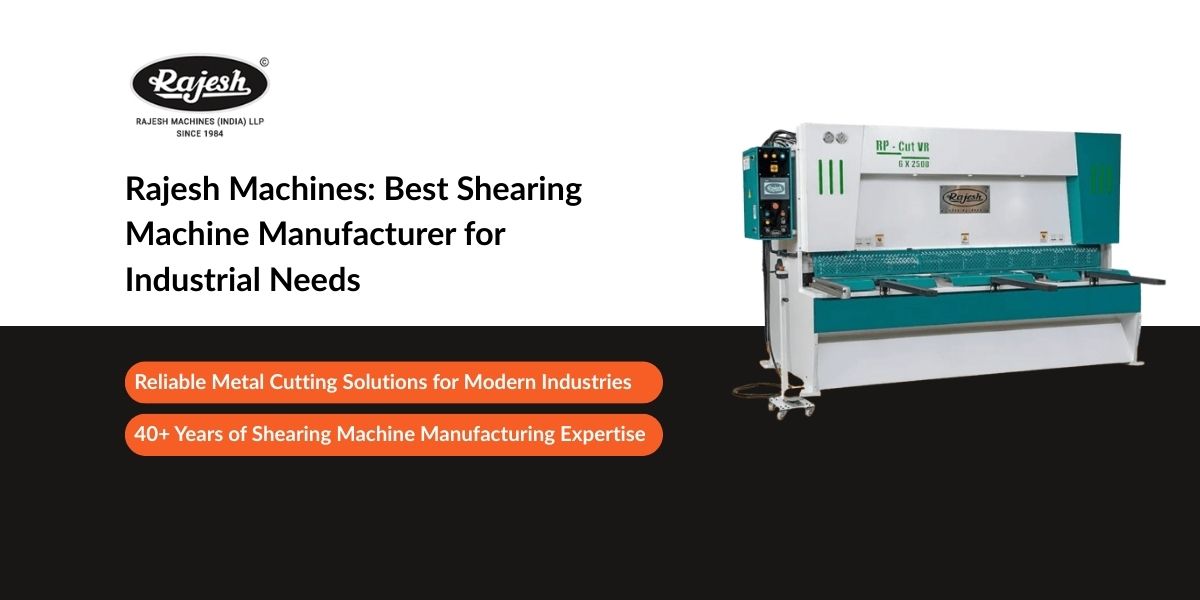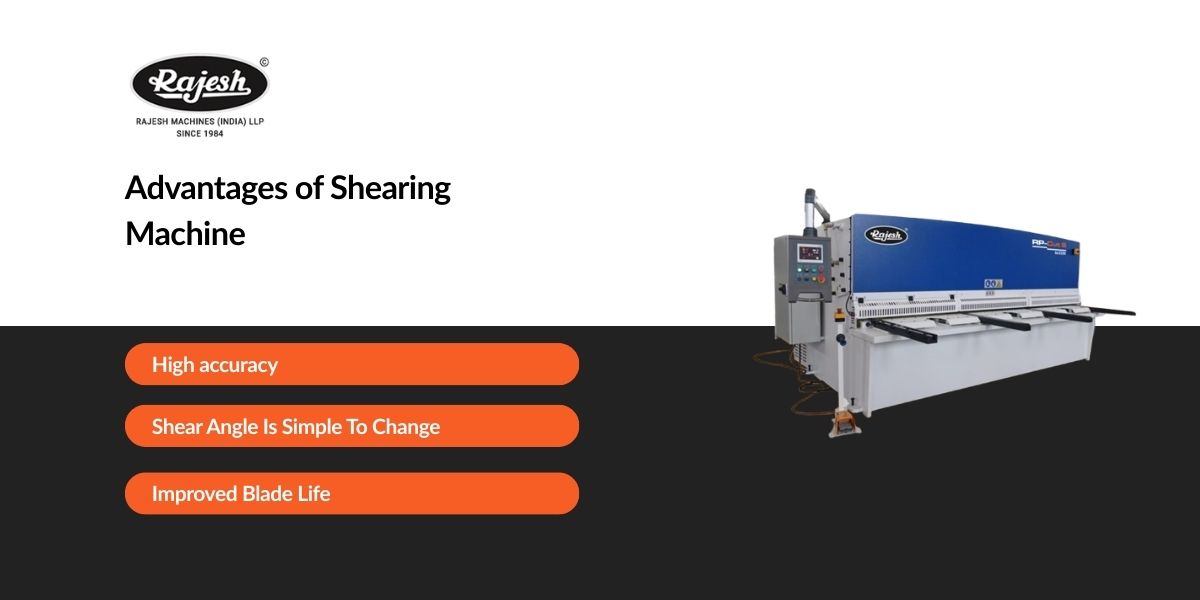
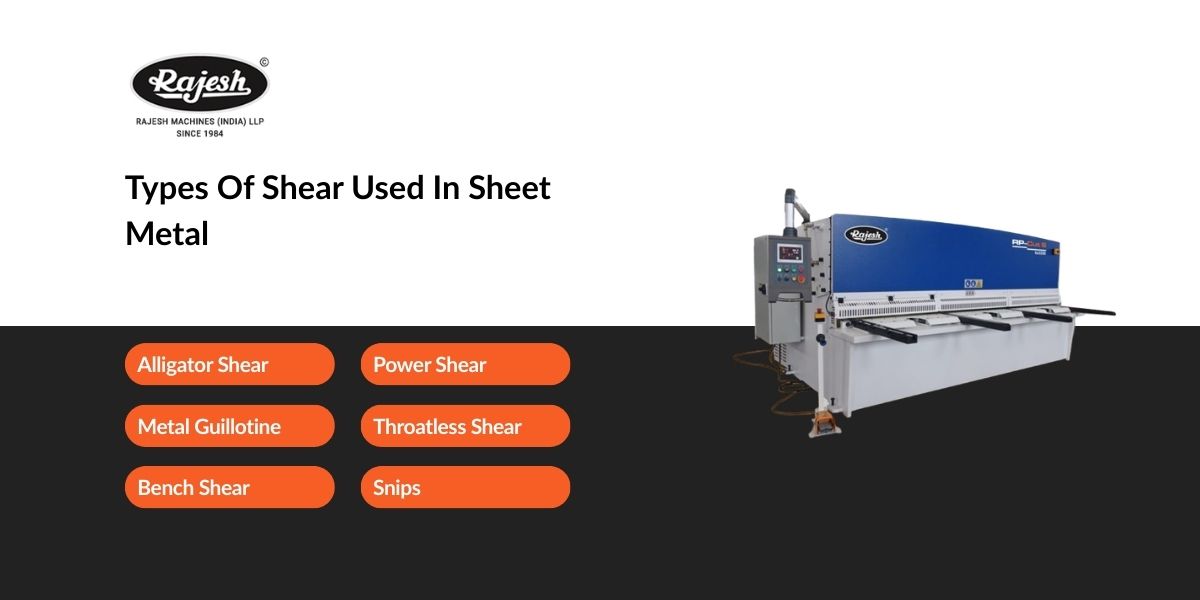
In the metal production and manufacturing sector, shearing tools and equipment are essential. For a smooth, accurate, and tight-tolerance finish, there will surely be a selection of these tools that are appropriate for various shearing tasks. In this article, we’ll explore some of the most widely used types of sheet metal shears. While most of them can cut numerous types of metal sheets, including aluminum, steel, and stainless steel, these tools vary differ in their cutting style and aesthetic.
Shear types in sheet metal:
Let’s see seven of the most typical shearing tools used in the production of sheet metal, including the metal guillotine.
1. Alligator Shear:
These alligator shears, which have a flexible saw and are powered by a hydraulic cylinder, are typically used to cut long metal stock. L-beams, angle iron, pipe, and rebar can all be cut using alligator shears. Additionally, they can be utilized to cut scrap metal for processing. A piston that extends to close the upper jaw down drives the cutting motion of this shear. The key advantages of employing this shear are its affordability, toughness, and durability. On the other hand, its accuracy and poor finish are drawbacks.
2. Metal Guillotine:
3. Bench Shear:
4. Power Shear:
A power shear can be controlled manually, electrically, or pneumatically. Large sheets of metal may be easily and effectively cut with this type of shear. With this shear, the material being cut is under strain as an upper blade moves toward a lower fixed blade. Power shears are used for cutting straight lines or curves with a big radius. Power shears provide several benefits, including being flexible because they can cut curves as well as straight lines, as well as being quick, accurate, strong, and able to retain a high level of finish.
5. Throatless Shear:
6. Snips:
Snips are hand tools that can also cut sheet metal from machines. Tinner snips and compound action snips are the two different categories of snips. Tinner snips can cut mild steel or low-carbon tin thanks to their large handles and short blades. Based on how they cut a blade, tinner snips can be further divided into categories. Tinner snips with a straight design are used to cut straight lines, while those with a duckbill pattern can cut more intense curves.