Key Differences Between Sheet Metal Shearing and Bending Techniques
Sheet metal shearing and bending are two fundamental metal production methods for shaping metal sheets. Although both are necessary, they serve separate functions and work in various ways. In this Blog, we’ll look at the primary differences between shearing and bending procedures, focusing on their respective purposes, tools, and applications.
What is Sheet Metal Shearing?
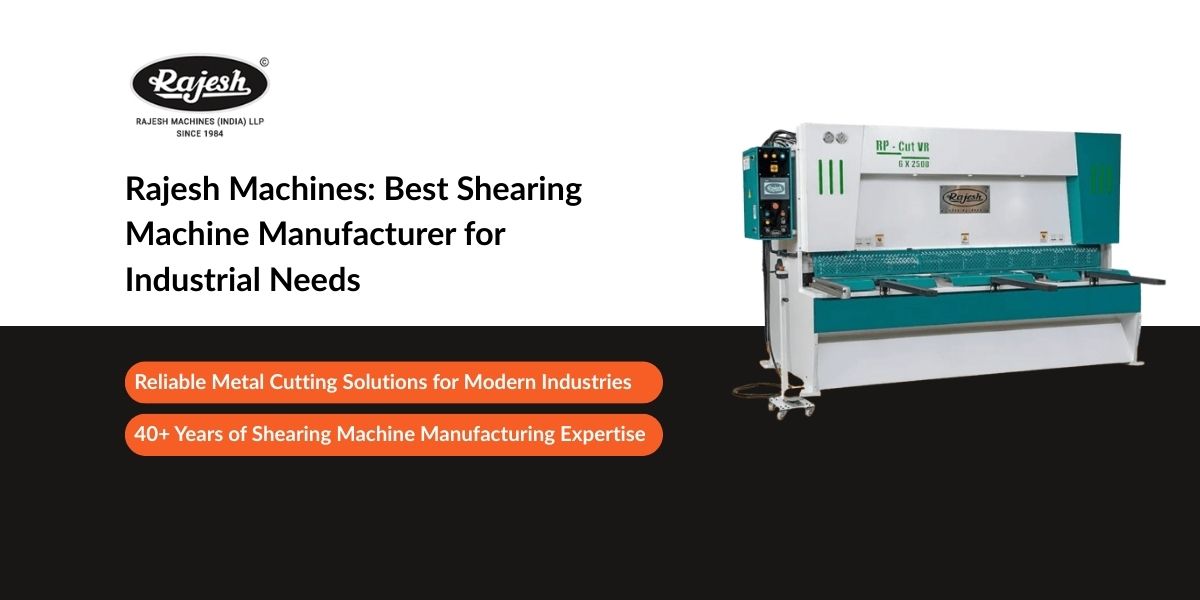
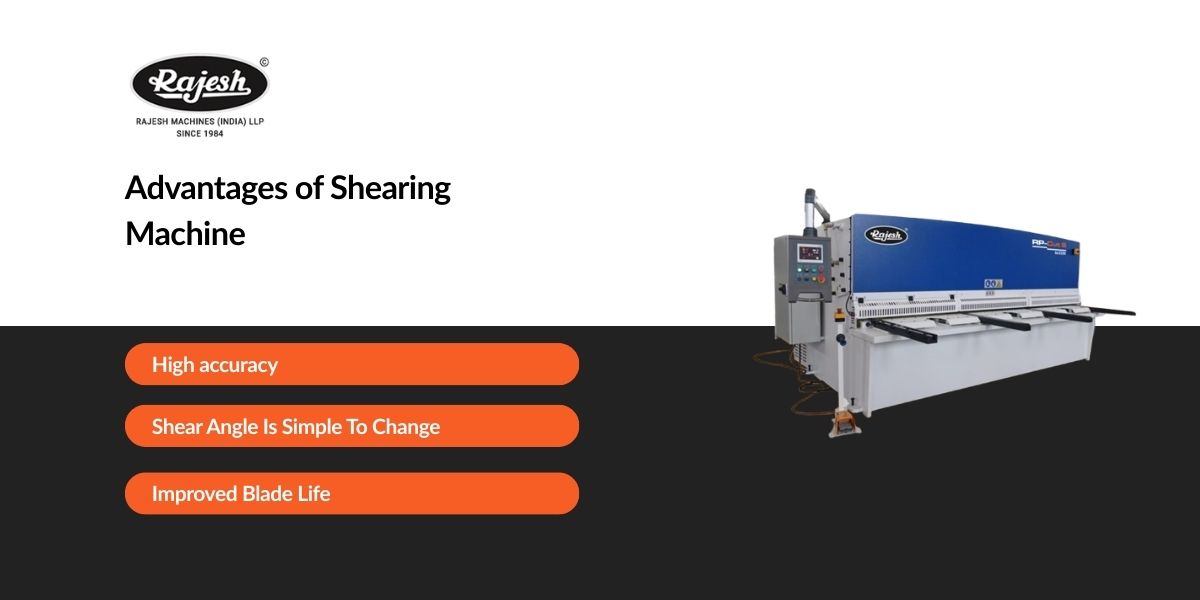
Shearing involves cutting big metal sheets into smaller, more manageable pieces. This method slices through the metal with a sharp blade, producing straight cuts without chips or shavings. Shearing is frequently used as an initial step before other production operations, such as bending, welding, or punching.
Key Characteristics of Shearing:
- Straight-line cutting involves shearing, which is used primarily for straight-line cuts. It is not designed to handle curves or complex shapes.
- Shearing machines are efficient for high volumes, meaning they can quickly process large amounts of metal. This efficiency makes them ideal for high-production environments.
- Versatile Materials highlights that shearing can be applied to various metals, such as steel, aluminium, and copper. It works effectively across different thicknesses of these materials.
What is Sheet Metal Bending?
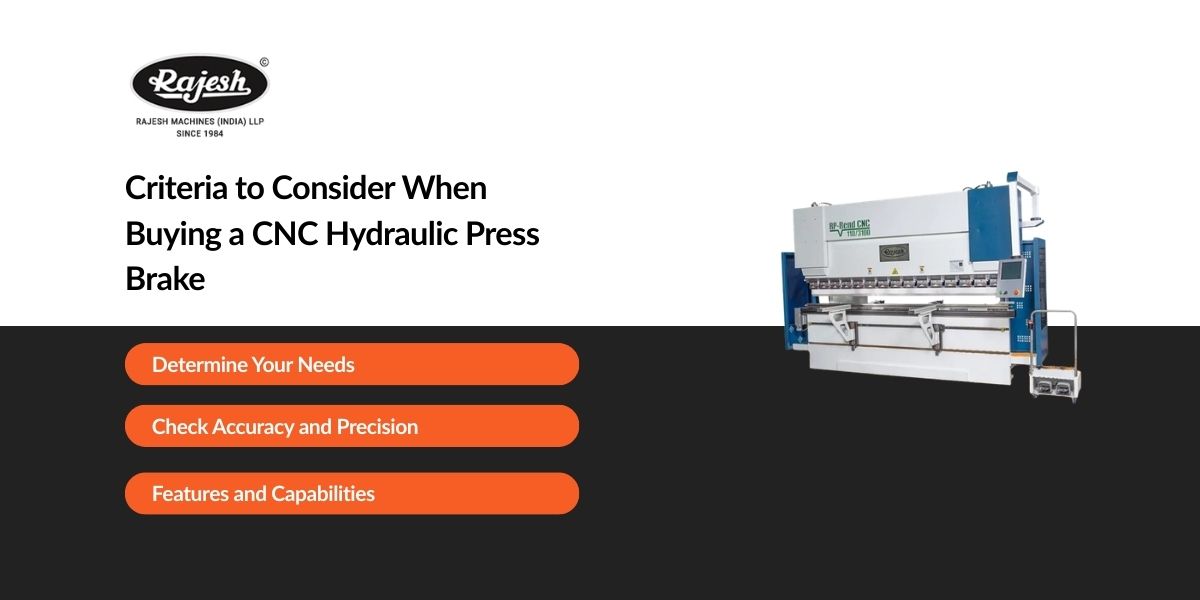
Bending is deforming metal sheets into angles or forms without cutting them. This is accomplished by applying force on the metal with equipment such as press brakes, which affects the shape of the sheet. Bending usually creates particular elements like brackets, enclosures, and frames.
Key Characteristics of Bending:
- Bending forms angles, such as 90-degree bends, and shapes, such as U-profiles.
- More advanced bending can create complicated shapes, making it suitable for various applications.
- CNC-controlled machines can make exact bends, which is beneficial for repetitive applications requiring precision.
Main Differences Between Shearing and Bending
Both processes are essential in metal manufacturing, yet they serve different purposes, operate differently, and provide different outcomes. Here are the main differences:
1. Process Type: Cutting vs. Shaping
- Shearing: Involves cutting metal sheets into smaller pieces. It removes material without changing the form of the remaining metal.
- Bending: Modifies the shape of metal without cutting it. The focus is on creating angles and shapes from the sheet.
2. Machines and Tools Used
- Shearing Machines:
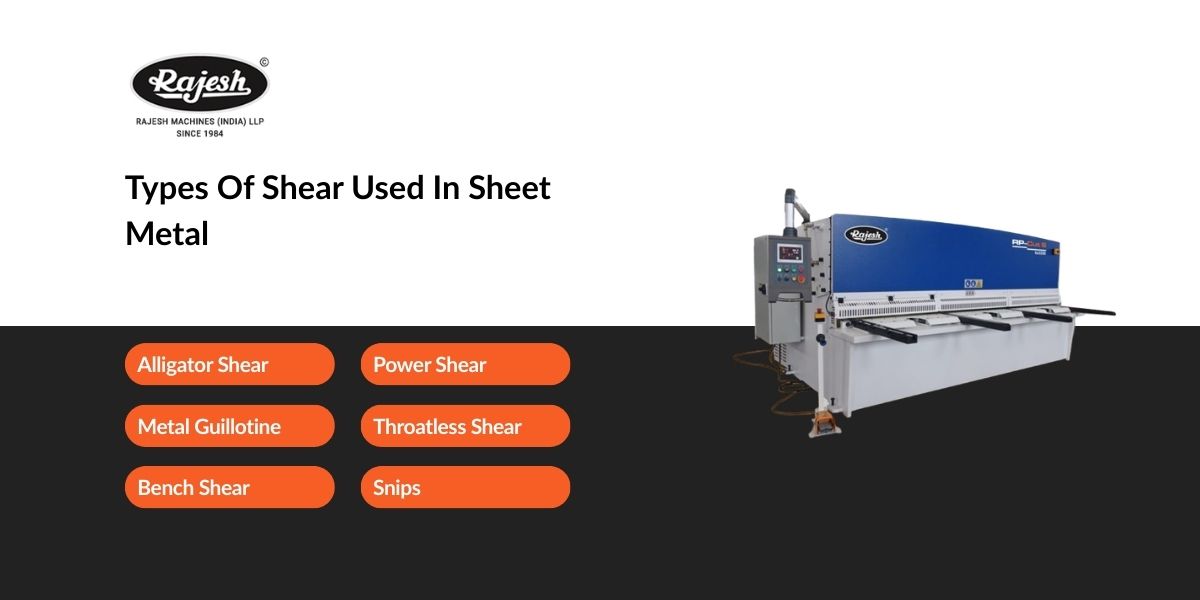
- Shearing is done using tools like guillotine shears, alligator shears, or bench shears. These machines use sharp blades to slice through metal.
- CNC shearing machines allow for precise cuts with less waste, making them ideal for large-scale jobs.
- Bending Machines:
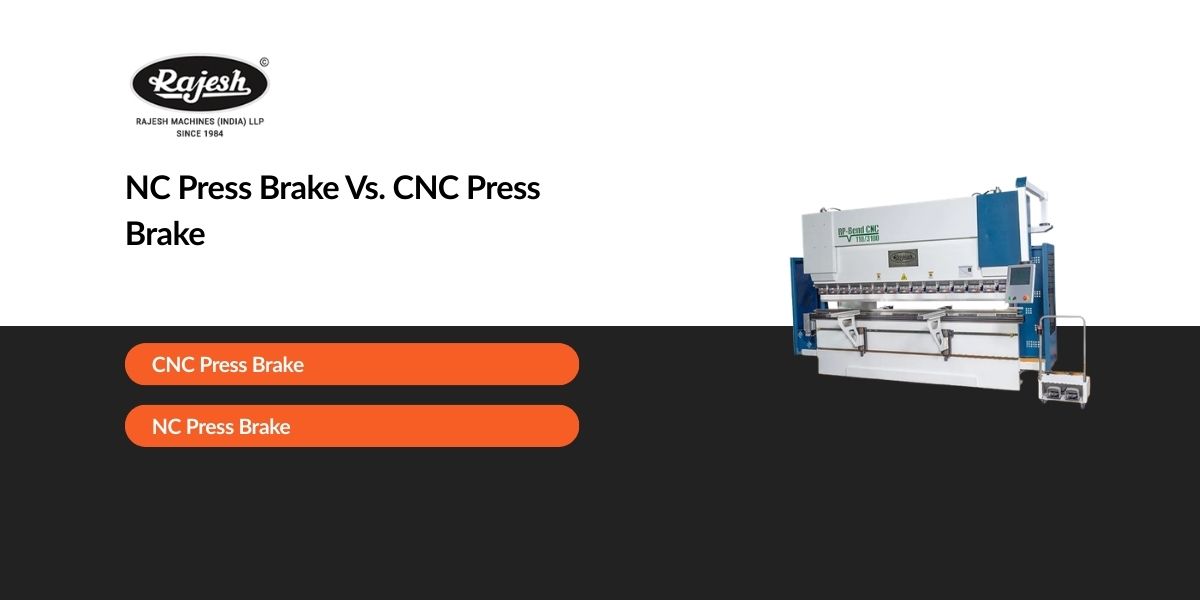
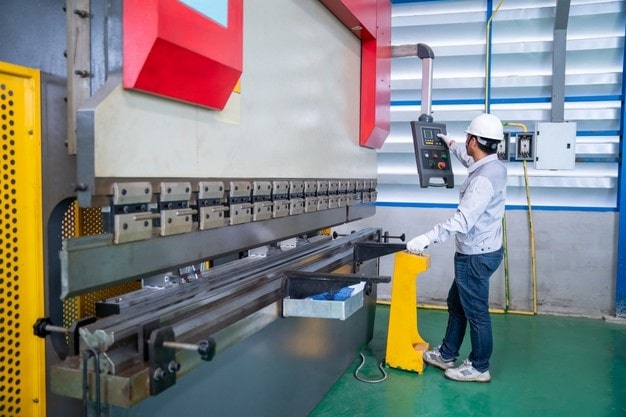
- Press brakes bend metal using a die and punch. CNC-controlled press brakes enable the exact bending of complicated shapes.
- Other tools include folding machines and section benders for specific types of bends.
3. Outcome: Cutting vs. Shaping
- Shearing: Produces clean, straight cuts and divides the metal into smaller parts without altering its shape.
- Bending: Modifies the shape of a metal sheet by creating curves and angles. It is employed to fabricate components such as supports and frames.
4. Material Waste
- Shearing: Produces some waste, such as offcuts; however, the quantity can be reduced by optimizing cutting patterns. To eliminate burrs, the cut margins may require finishing.
- Bending: Bending typically generates minimal to no waste, as the metal is reshaped rather than eliminated.
5. Applications
- Shearing: This is often used during the initial fabrication phases to reduce the size of large sheets in preparation for subsequent processing.
- Bending: This process creates the ultimate shape of components required for various applications, including automotive components, frames, and enclosures.
6. Precision and Accuracy
- Shearing> provides exceptional precision for linear cuts; however, it is restricted in its ability to generate intricate shapes or curves. It is most effective for rapidly cutting uniform pieces.
- Bending: This process enables precision control over the metal’s shape, enabling the production of precise bends with tight tolerances, particularly in repeated production.
7. Application for Complex Shapes
- Shearing: This technique is restricted to linear cuts and unsuitable for creating curves or intricate shapes. It is mostly used to prepare metal for other procedures.
- Bending: The ultimate product can be produced in a wide range of angles and geometries, particularly with CNC technology, which enables the creation of complex shapes.
When is it appropriate to use sheet metal shearing or bending?
- Shearing is the optimal method for reducing the size of large metal sheets into smaller ones. It is frequently the initial stage in the fabrication process, which involves preparing the material for subsequent processing, such as welding or bending.
- Bending shapes metal into precise components, including enclosures, frames, and brackets. It is optimal for fabricating metal sheets with angles and shapes.
Conclusion
Sheet metal shearing and sheet metal bending are significant processes in metal manufacturing, but they serve different purposes. Shearing reduces metal to smaller parts by cutting straight lines, whereas bending involves reshaping metal into specific shapes and angles. Both techniques are frequently implemented together to accomplish the desired outcomes for various industrial applications.
Understanding the differences between these processes enables fabricators to select the appropriate method for their requirements, which ensures the efficiency and quality of metalworking.