Enhance the Productivity of your Punching Machine with our Expert Tips and Techniques
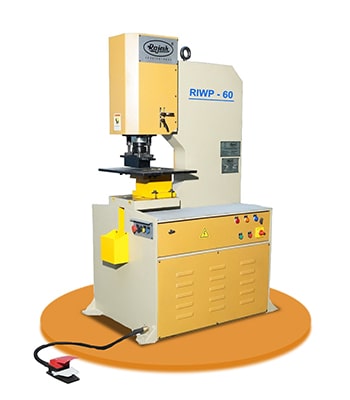
Improving the productivity of your punching machine is essential for increasing manufacturing efficiency and maintaining competitiveness in industries like sheet metal fabrication. In manufacturing operations, punching machines are necessary tools for accurately cutting and shaping materials. They utilize punches and dies to make holes, forms, or patterns in sheet metal and other materials, which are necessary for making components in a variety of sectors, including automotive and electronics.
This blog explores practical tips and techniques for increasing your machine’s output. Every method is designed to increase throughput and precision, from the use of new technology to the optimization of workflows and the implementation of good maintenance practices. Implementing these insights can help you streamline processes, reduce downtime, and boost overall productivity.
Effective Methods for Achieving Punching Accuracy and Precision:
In sheet metal punching, achieving precision and accuracy depends on several important parameters. These include the punch and die type and condition, the force applied during punching, and the quality of the sheet metal itself. Through careful control of these variables, manufacturers achieve extremely accurate and precise punched components.
Meticulous control over variables, including alignment, punch pressure, and speed, is essential for precision. Precision results are also highly influenced by the quality of the punching tool and the substance being punched.
Precision is improved by using automation such as CNC controls and providing thorough operator training. Accuracy can be further increased by upholding an ongoing operating environment and putting exact quality control systems in place. Punching operations are continuously improved through feedback and performance data-driven process optimization, which guarantees high-quality results and productive manufacturing procedures.
Common Troubleshooting Methods for Punching Machines
In many production processes, punching machines are important. The following are some standard troubleshooting techniques to address common problems that you may run into:
No Holes After Punching:
To avoid holes after punching, ensure the punch and die are aligned precisely. Inspect the punch and die for wear or damage and replace any problematic components. Check that the material is correctly positioned under the punch. Check that the machine is getting enough electricity and air pressure.
Insufficient Holes During Punching:
Make sure the material thickness is within the machine’s capabilities. Check punches and dies for wear and swap them out when necessary. Make sure that the machine is configured correctly for the material being used. Ensure that the proper lubrication is applied to all moving parts.
The operation unexpectedly stopped, and all outputs were invalid:
Look for disconnections or power outages. Reset the emergency stop button after ensuring it hasn’t been pressed. Check for any bugs or faults in the software, restart the computer, and update the program if needed. Examine every sensor to make sure it’s operating properly.
When a Linear Module Faces Obstacles, Manual Operation Fails:
Verify that the linear module has no barriers in its route and remove any that are discovered. For perfectly precise movement, calibrate the linear module. Verify that there is sufficient lubrication in the linear module. Examine the linear guides for any damage or wear, and replace them as necessary.
Inconsistent Punching Hole Count and Spacing:
Verify that the punch and die are correctly placed. To make sure it punches the right amount of holes at the right intervals, calibrate the machine. Check that the punching pattern selected in the software is matched. Make sure the machine is regularly feeding the material. To stop material slippage, make sure clamps and guides are tight and operating properly.
You may save downtime and make sure your punching machine runs well by carefully taking care of these problems. The durability and functionality of your equipment can be maximized with timely troubleshooting and routine maintenance.
Tips for Increased Productivity in Sheet Metal Punching Machine
Upgrade with Modern Punching Technology
Purchasing cutting-edge punching equipment increases output by providing exact control over variables like pressure, speed, and tool placement. The setup and tool management processes are simplified by machines with CNC controls and integrated software, which decreases downtime and increases flexibility.
Integrate Automated Systems
Automation improves sheet metal punching efficiency by automating material handling, tool loading, and part sorting. Robotic systems shorten cycle times and maintain constant performance, increasing total production speed and reliability.
Improve Production Workflow Efficiency
Minimize material handling and transit times by optimizing workstation layouts, material storage, and machine location. Lean manufacturing principles reduce waste and optimize procedures, consequently increasing efficiency and output.
Employee Training and Development
Comprehensive training in machine operation, maintenance, and troubleshooting enables personnel to enhance equipment efficiency and contribute to process optimization. Continuous training develops a culture of improvement while increasing overall productivity.
Enhance Reliability with Predictive Maintenance
Monitor the health of machines in real-time and arrange for proactive maintenance by utilizing data analytics and sensor technology. The utilization of predictive maintenance minimizes downtime, minimizes maintenance expenses, and guarantees that devices operate at their optimal capacity.
Maximize your CNC punching efficiency. Rajesh Machines offers decades of industry experience to help improve your operations. To buy a hydraulic punching machine and have our experts guide you, reach out to Rajesh Machines today.