Common Challenges in Press Brake Machine Operations and Their Solutions
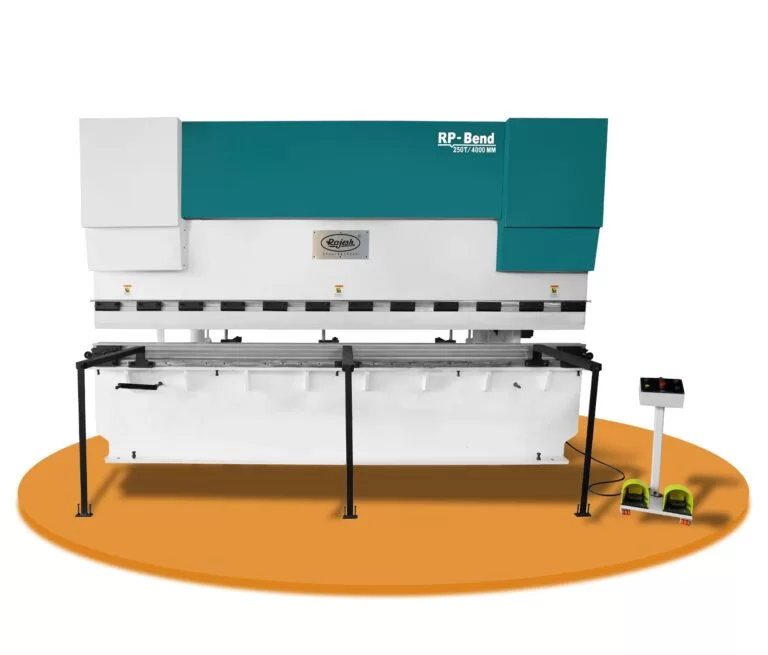
Press brake machines are essential in the metalworking industry but present specific operational issues. Addressing these difficulties as soon as possible is critical for efficient operation. Here, we go deeper into some common challenges and provide practical methods for resolving them.
1. The Machine is Not Maintained Clean
Challenge:
A dirty machine can cause various operational issues, including incorrect bends, faster equipment wear, and safety risks. Obtained dust, debris, and metal shavings may reduce the machine’s precision, resulting in substandard results and higher maintenance requirements.
Solution:
- Routine Cleaning: Regularly clean the machine and its components free of dust, debris, and metal shavings. This can be done daily or weekly, depending on how frequently the machinery is used. A checklist can help ensure that all areas are cleaned thoroughly.
- Suitable Cleaning Materials: Use appropriate cleaning chemicals and methods that will not harm the machine’s surfaces or components. Avoid using harsh chemicals that could corrode metal surfaces. Soft brushes, hoover cleaners, and non-abrasive cloths are recommended.
- Operator’s Responsibility: Teach operators to clean the machine after each use, emphasizing the necessity of keeping a clean work environment. Incorporate cleaning duties into their everyday routines and provide training in suitable cleaning practices.
2. The Hydraulic Press Brake Ram is Misaligned During Operation
Challenge:
If the ram is not vertical during operation, it might result in uneven bends and severe wear on machine parts. Misalignment can occur due to mechanical wear, poor calibration, or hydraulic system difficulties.
Solution:
- Alignment Checks: Use precision measurement instruments to check and modify ram alignment according to manufacturer recommendations. Use dial indicators or laser alignment machinery to assure accuracy.
- Hydraulic System Maintenance: Inspect the hydraulic system for leaks or blockages that may compromise the ram’s alignment. Check hydraulic fluid levels regularly and replace filters when necessary. Ensure that the hydraulic lines are free of air bubbles.
- Professional Servicing: Schedule expert service to recalibrate and align the RAM, if necessary. Technicians can undertake extensive inspections and exact adjustments that regular maintenance may not be capable of.
3. Irregular Ram Movement
Challenge:
Delays and quality problems might result from the ram moving unevenly or stopping suddenly. Hydraulic problems, worn parts, and insufficient lubrication can all cause irregular movement.
Solution:
- Lubrication: To reduce friction and promote smooth movement, ensure the ram and its guides are well-greased. As the machine’s manufacturer advises, use premium lubricants and keep a regular lubrication plan.
- Hydraulic Fluid Management: Replace hydraulic fluid according to manufacturer recommendations and check and maintain fluid levels and quality regularly. Hydraulic fluid tainted or poor quality may cause the ram to move slower.
- Component Inspection: Regularly check the wear on the ram’s components and replace any damaged parts immediately. Look for wear indicators like pitting, scoring, or deformation, and take quick action to fix these problems.
4. The RAM Is Not Able to Modify Speed Effectively
Challenge:
The accuracy and efficiency of the bending operation can be affected by problems with the ram’s speed. Issues with speed control might result from mechanical faults, hydraulic system problems, or control system errors.
Solution:
- Inspection of the Hydraulic System: Look for issues that might be affecting the speed of the ram, such as clogged filters, low fluid levels, or malfunctioning pumps. Ensure the hydraulic lines are not damaged or kinked and the valves function correctly.
- Calibration of Control System: Verify that the machine’s control system is precisely calibrated to control the speed of the RAM. Update the software regularly and compare the system configuration to the manufacturer’s recommendations.
- Flow Control Valve Adjustment: Adjust the flow control valves to ensure they operate correctly by checking and adjusting them. Maintaining these valves regularly can help avoid problems with ram speed control.
5. Incorrect Bending Radius
Challenge:
Getting the right bending radius is essential for quality and accuracy. Bad bends can happen when the settings aren’t correct, which wastes material and takes longer to process.
Solution:
- Tooling Selection: Pick the right tools for the bent radius you want. Tooling may need to be changed for different materials and bend points. Make sure that the tools are the right size and shape for the thickness and type of material.
- Adjusting the Machine Settings: Match the material and radius you want to bend with the machine’s tonnage and bend limit. Before starting the process, use the machine’s control system to enter exact parameters and check the correct settings.
- Software for simulating bending: To make sure the right radius is reached, plan and test the bending process with modeling software before it is made. Simulations can help find problems and let you make changes before you move physically.
6. The Main Motor Fails to Start
Challenge:
If the main motor doesn’t start, the output can stop, which could cost a lot of money and time. Electrical issues, motor issues, or problems with the computer system could cause this problem.
Solution:
- Electrical System Check:Look for problems in the electrical system’s wiring, fuses, and links that could stop the motor from starting. To make sure there is continuity and the correct voltage values, use a multimeter.
- Motor Maintenance: Clean, lubricate, and regularly check for wear on the motor as part of its maintenance. Check the commutator, brushes, and bearings for signs of wear and repair any broken ones.
- Checking the control panel: Ensure that the control panel works correctly and that all safety interlocks are set up correctly. On the control panel, look for error codes or warnings. If you find any, fix the problem right away.
7. Workpiece Cracking and Uneven Bending
Challenge:
Cracking and uneven bending might be caused by poor material handling, inappropriate settings, or inadequate machine maintenance. These flaws could compromise the structural integrity of the workpiece and result in material waste.
Solution:
- Material Quality: Use high-quality materials with adequate elasticity and tensile strength for bending. Verify the material specifications to confirm they are appropriate for the intended application.
- Correct Bend Allowance and Settings:Adjust the bend allowance and machine parameters to match the material’s characteristics and the desired bend. Determine the proper parameters using bend tables or software.
- Pre-Bend Material Inspection: Before bending, inspect the material for any existing defects or weaknesses. Before starting, inspect for surface faults, interior cracks, or thickness irregularities and correct any problems.
8. Hydraulic System Lacks Bending Pressure
Challenge:
When the hydraulic system doesn’t have enough bending pressure, the press brake won’t work correctly, which can lead to bending that isn’t complete or correct.
Solution:
- Keep Hydraulic Fluid Levels: Verify that the hydraulic fluid levels are within the advised range. Check for leaks frequently, and top off the fluid as necessary.
- Leak Inspection:Make routine checks for leaks in the hydraulic system and take quick action to fix any that you find. Check for wear or damage on connectors, hoses, and seals.
- Pump and Valve Maintenance: Check that the hydraulic pump and valves are operating correctly, and fix or replace any broken parts as necessary. As the manufacturer directs, test the system pressure regularly and adjust the settings.
Regular maintenance, appropriate training, and attention to detail are necessary to address these typical problems with press brake machine operations. By implementing these fixes, producers can ensure their press brake machine runs smoothly and consistently produces bends of the highest caliber.